


Don't miss these...
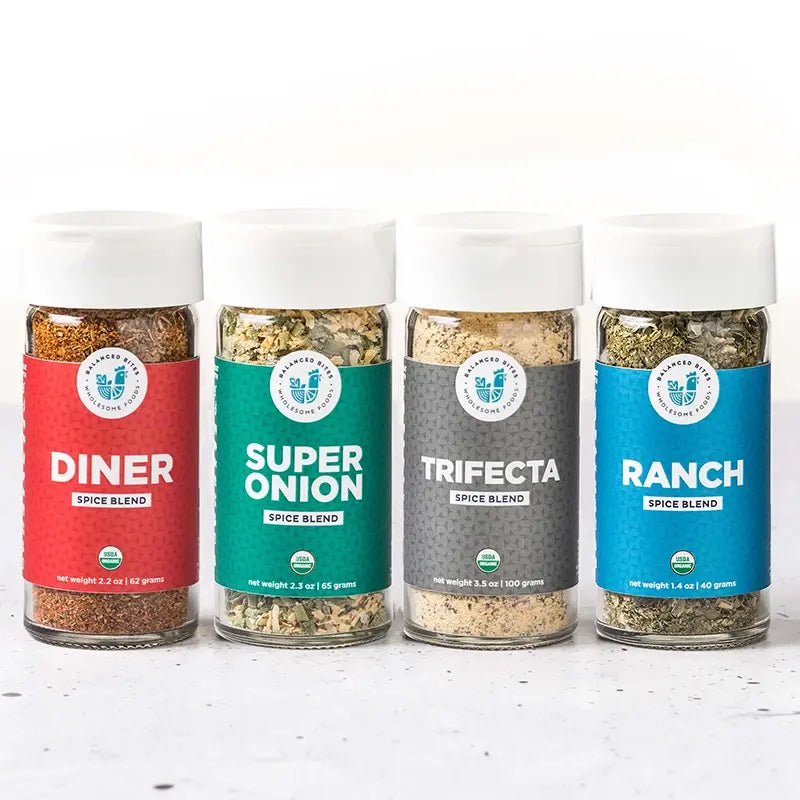
ALL AMERICAN PACK
Easy favorites to keep on-hand to simplify weeknight cooking for anyone.
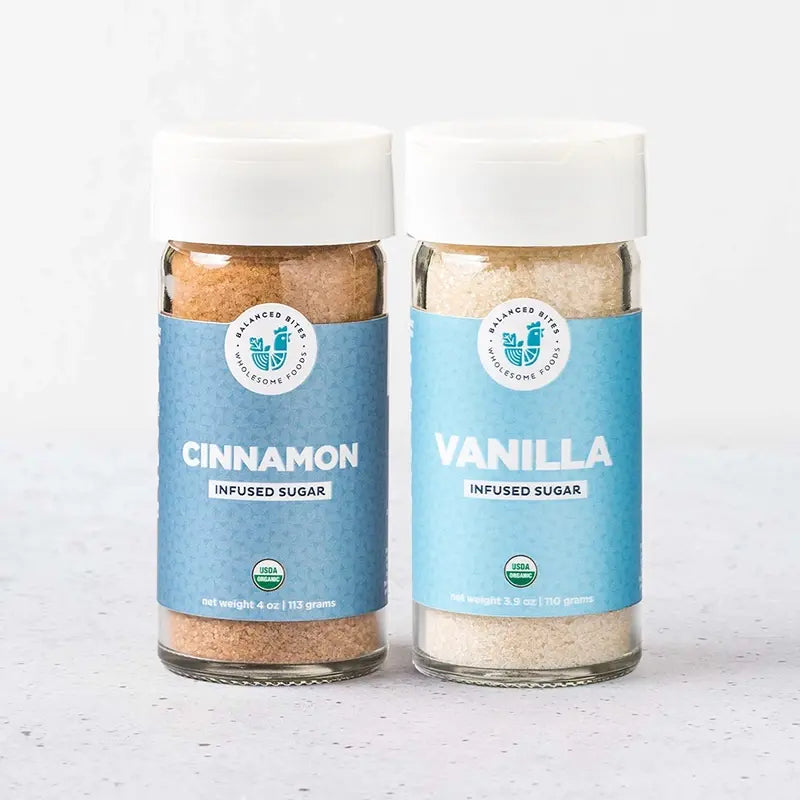
CLASSIC INFUSED SUGARS 2-PACK
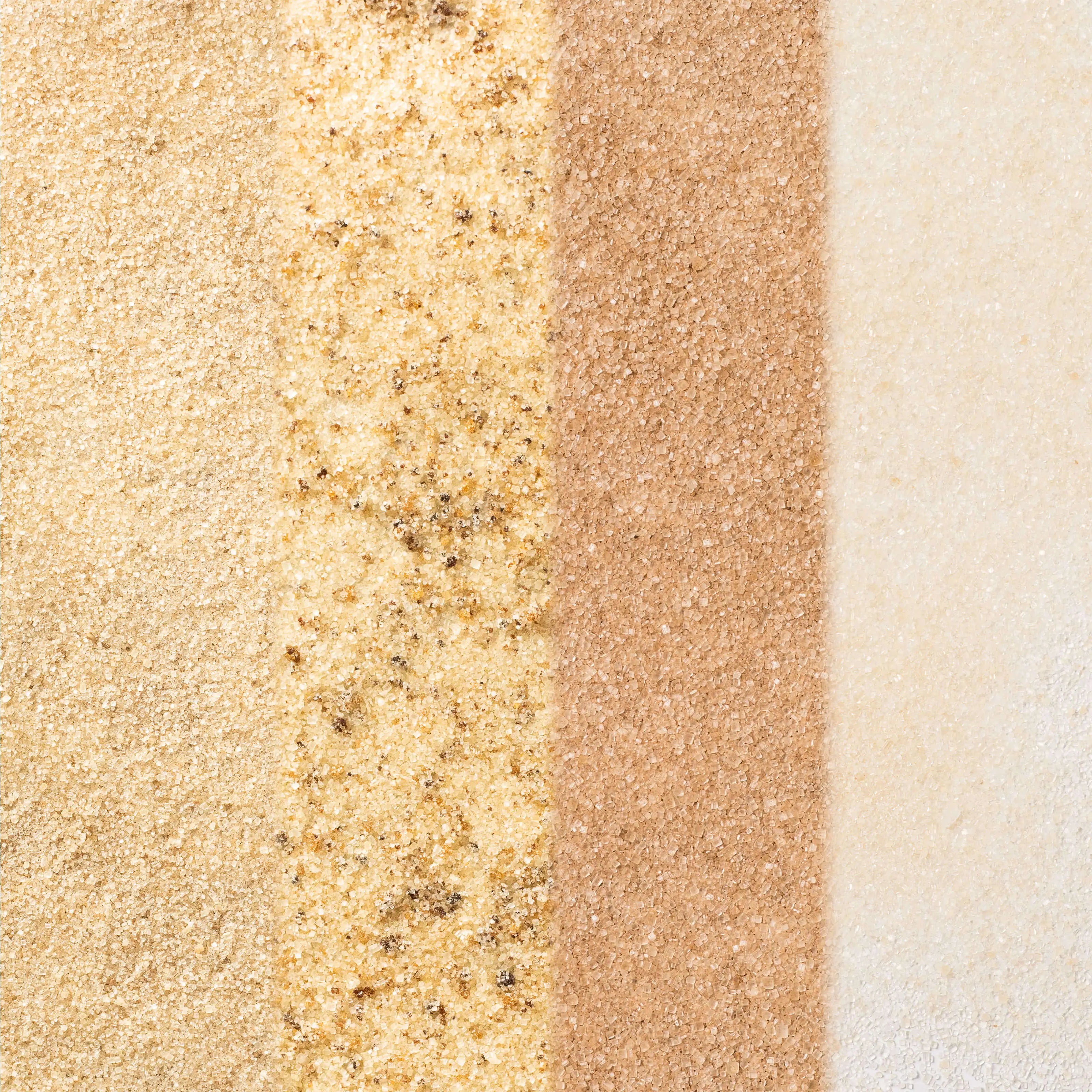
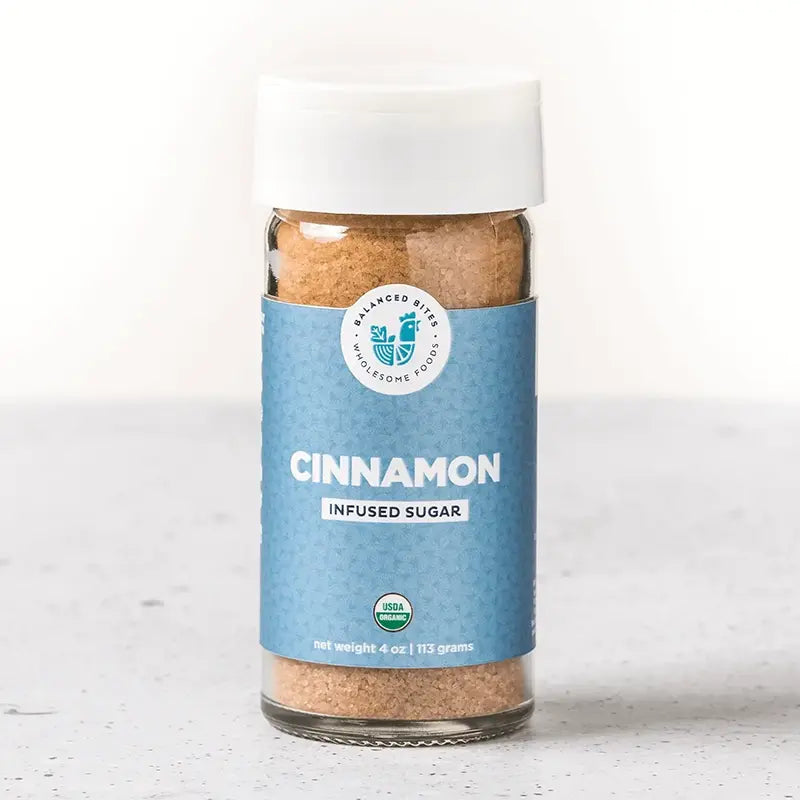
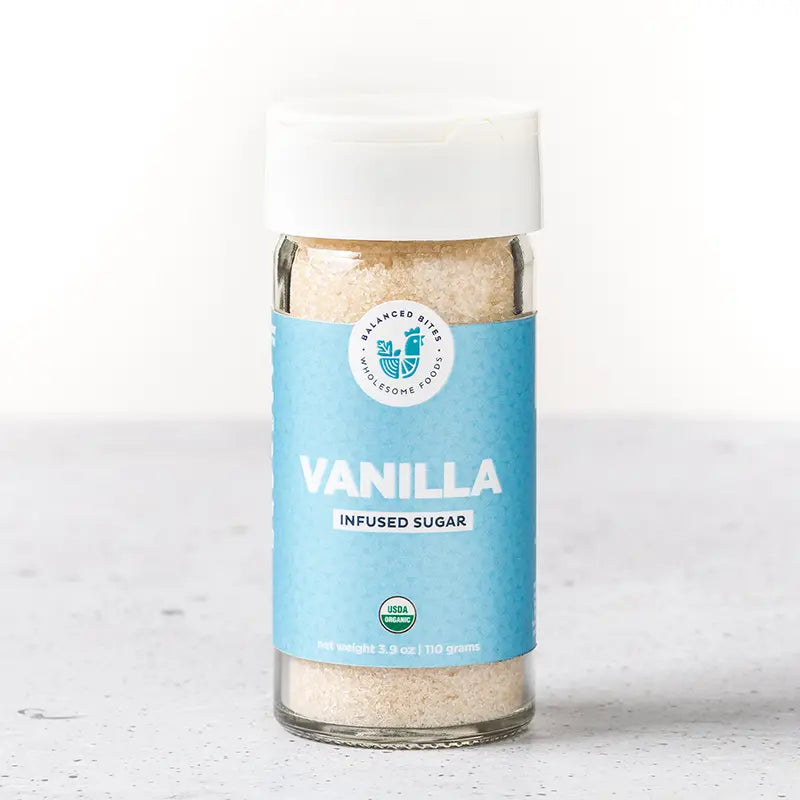
These organic, infused sugars are a delightful way to add a pop of flavor to your morning coffee, tea, and beyond.


Healthy Meal Delivery
Give the gift of time and healthy, wholesome, comforting meals ready to enjoy in just 5 minutes. No chopping or prep required, just heat and eat.
Save Time in the Kitchen
Made from scratch in small batches, everything we make is chef-created, nutritionist-approved, full of flavor, and completely satisfying.
Everything we make is 100% gluten-free. If you need to eat gluten-free, great. If you don't, you won't miss anything!
Healthy Meals Made Simple
Our meal delivery is made fresh - from scratch - weekly by our talented chefs using only real food ingredients.

Quick & Easy
Ready to Simplify Even More?
Subscribe to receive regular deliveries of any of our healthy, wholesome products at a discount.
How it Works

Set it & Forget it.
Select your items & delivery frequency.

Relax.
Fresh, healthy meal solutions are on the way.

Nourish.
Enjoy nutritious, tasty food without the fuss.
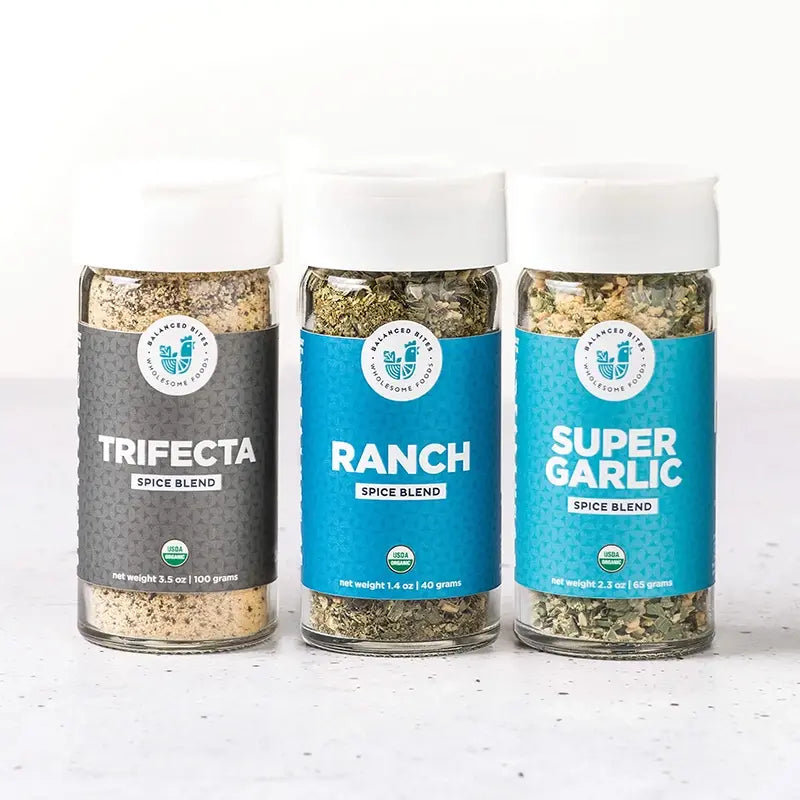
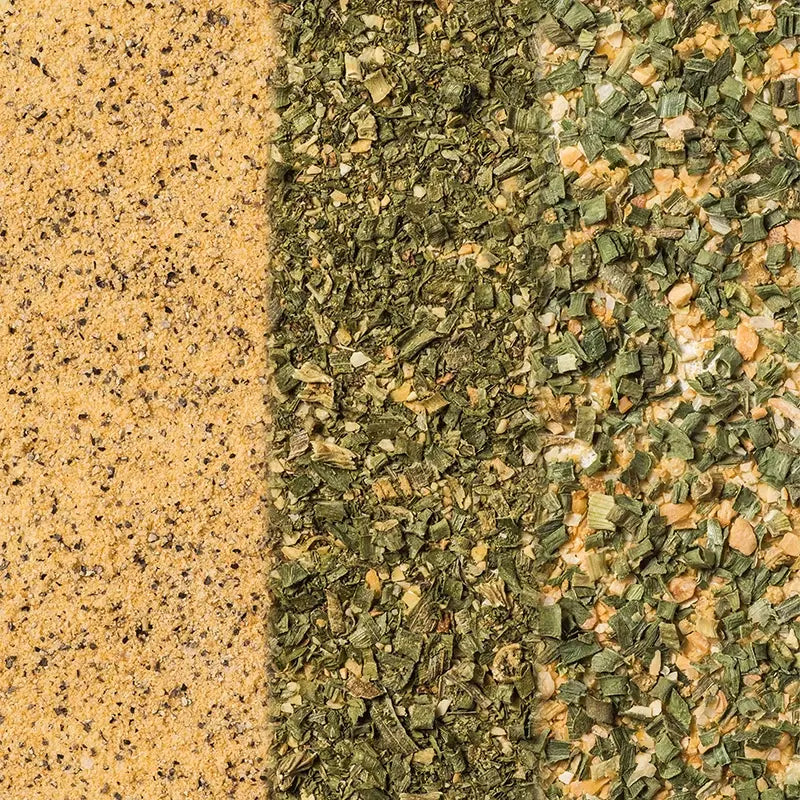
EVERYDAY FAVORITES 3-PACK
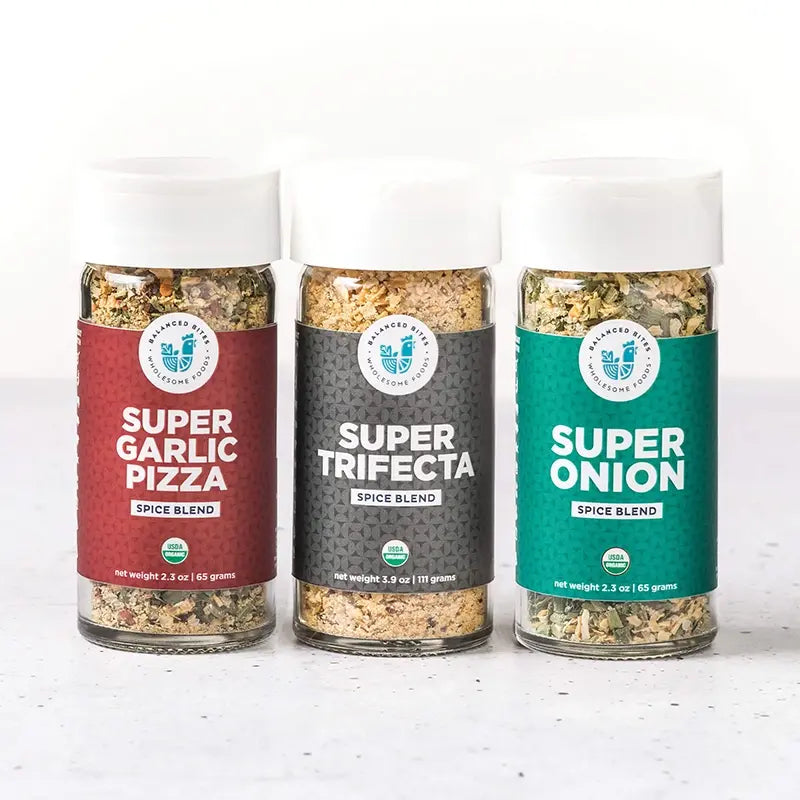
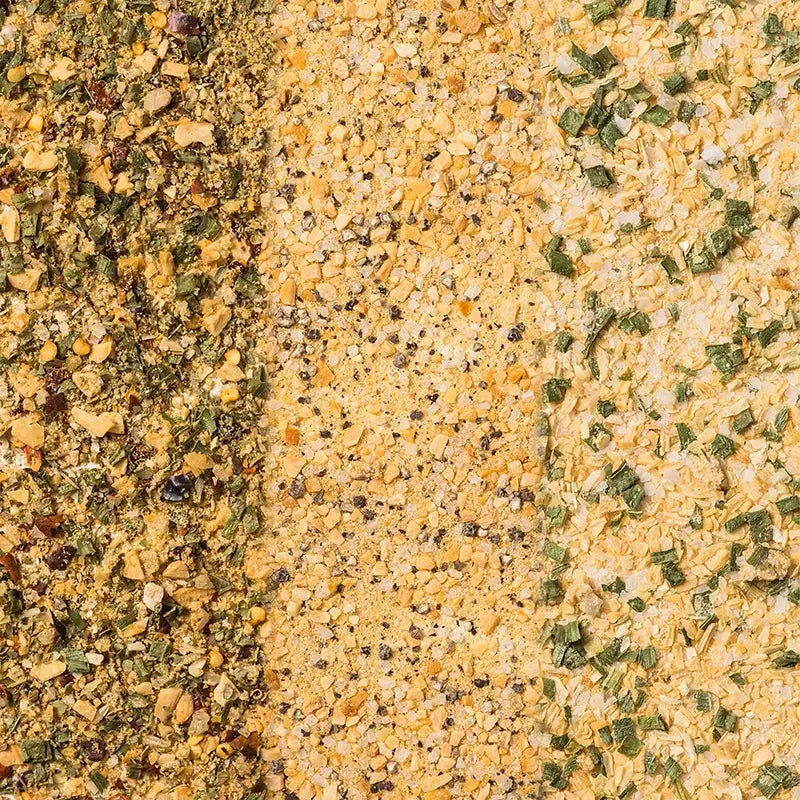
SUPER BLENDS 3-PACK
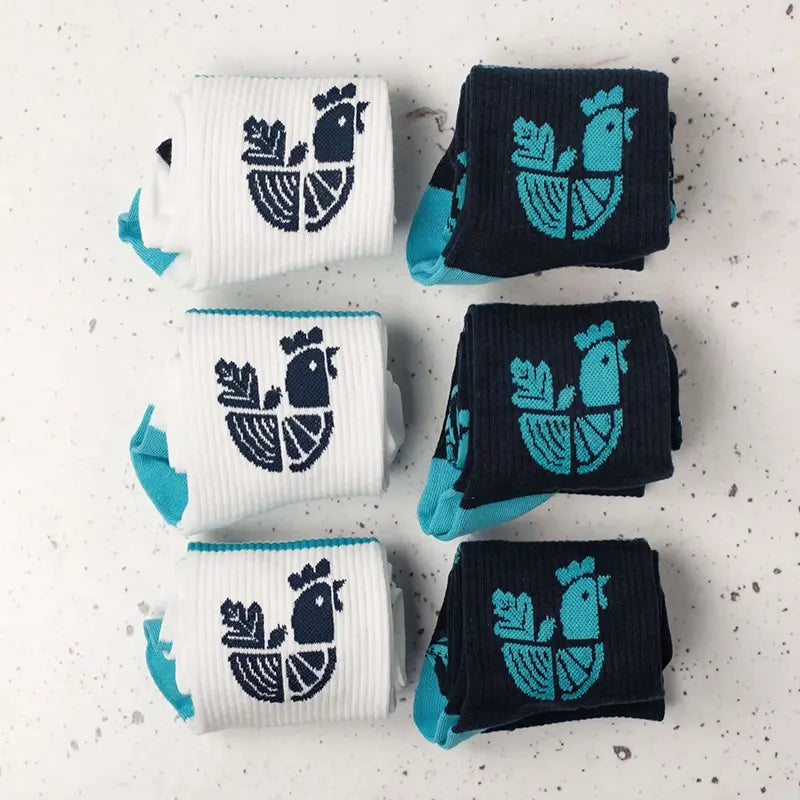
Balanced Bites Logo "Chuck" Socks (2-pack)
Gift Card
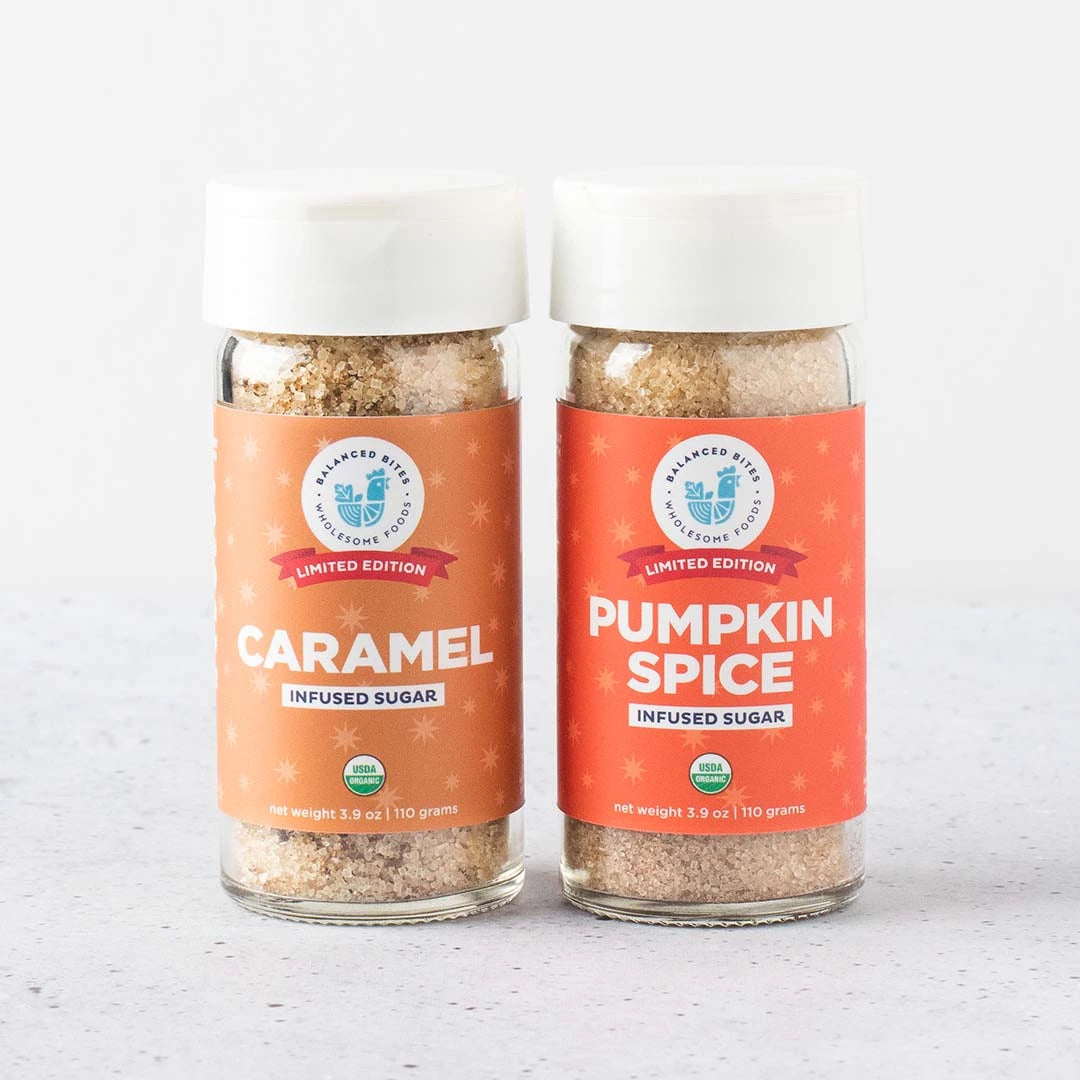
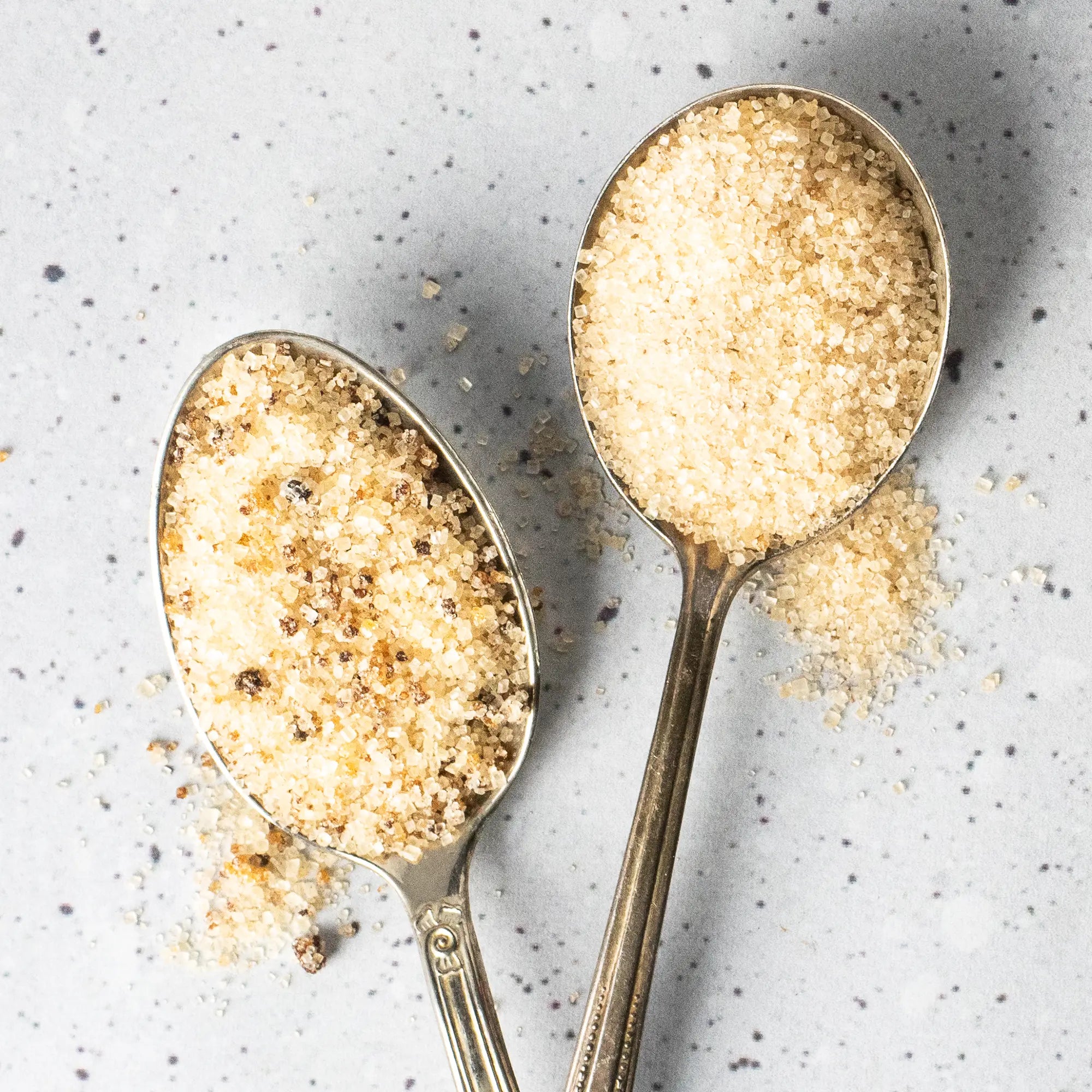
LIMITED EDITION HOLIDAY INFUSED SUGARS 2-PACK
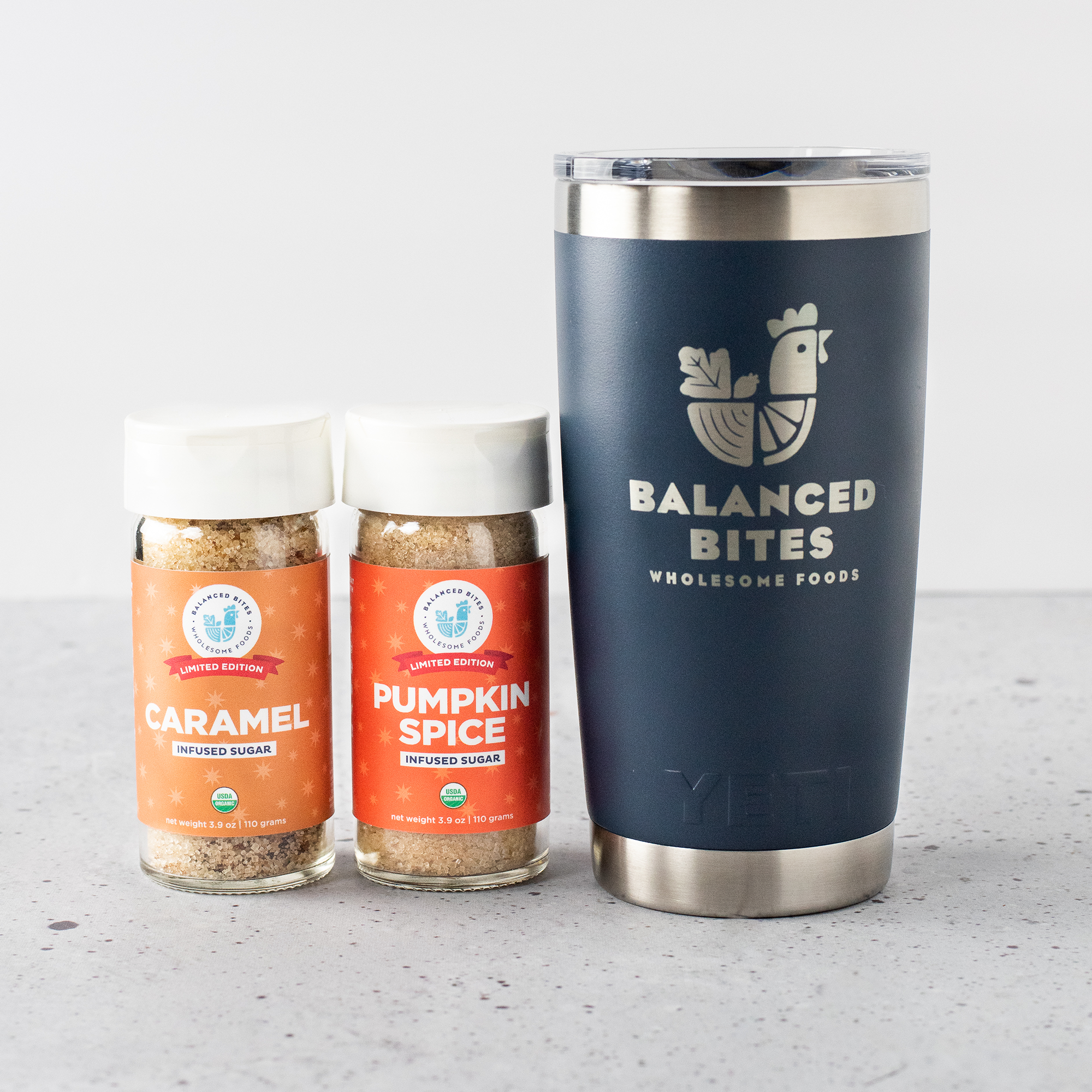
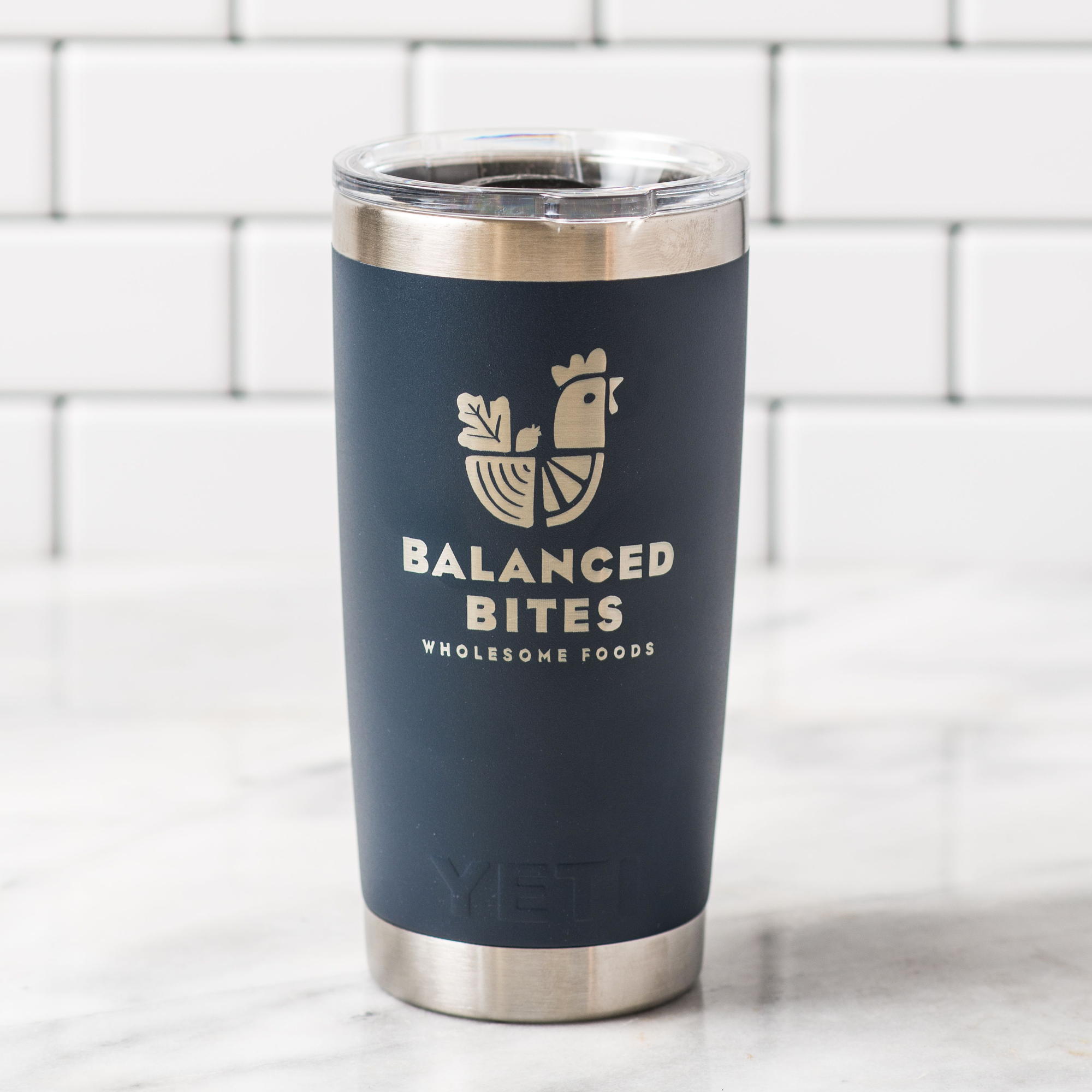
2-Pack Limited Edition Infused Sugars & Navy YETI Tumbler
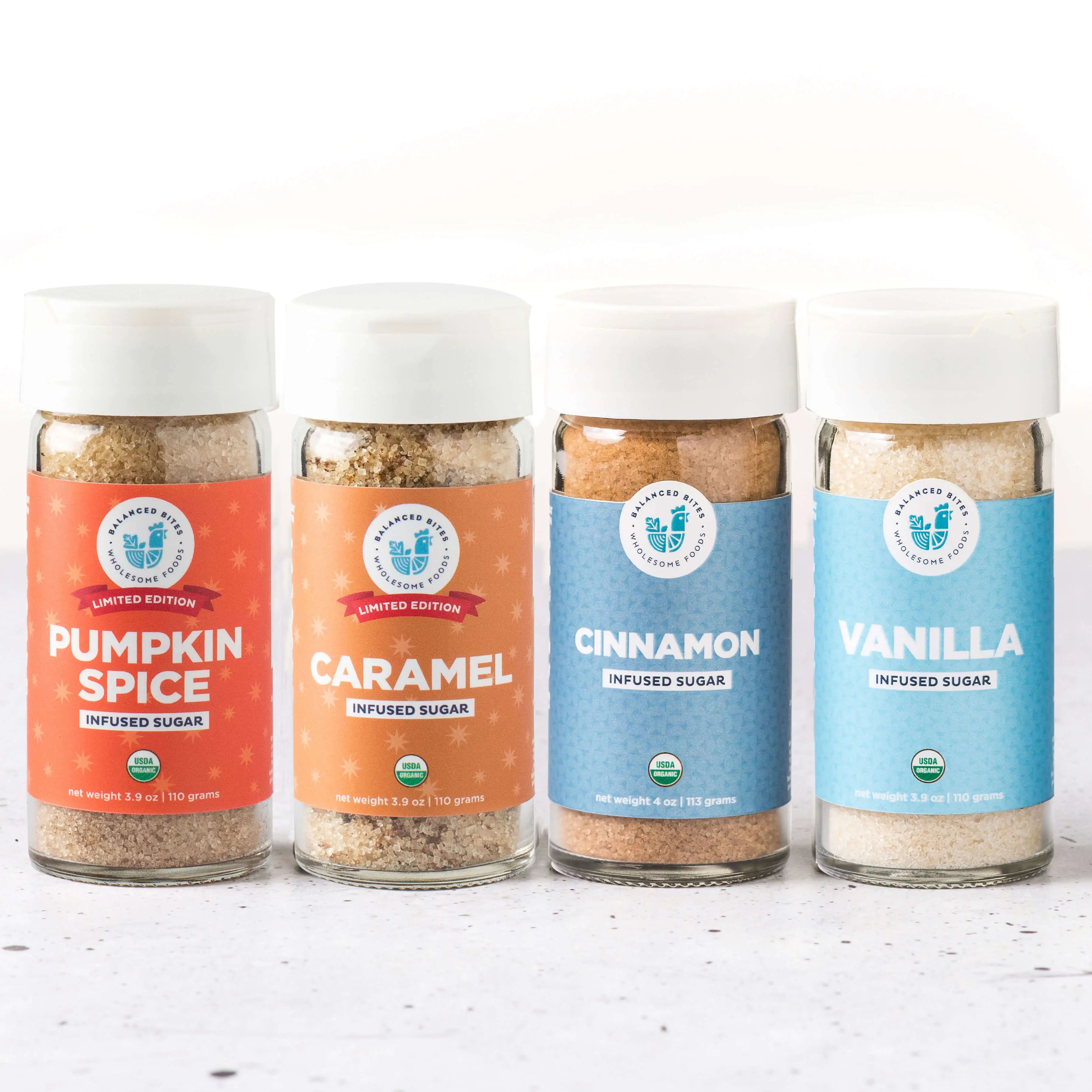
BAKING & COFFEE PACK
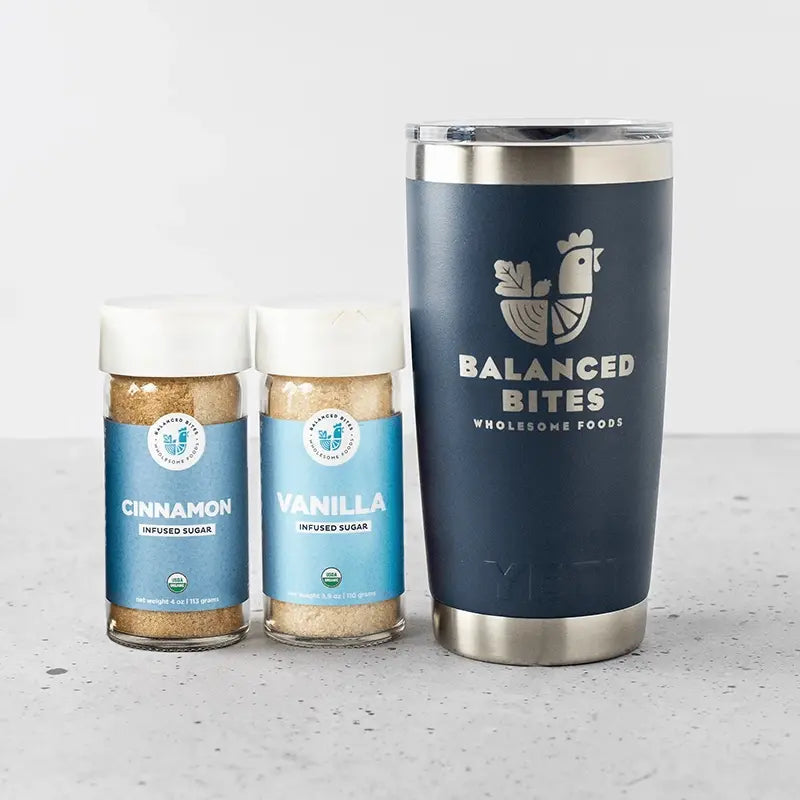
2-Pack Infused Sugars & Navy YETI Tumbler
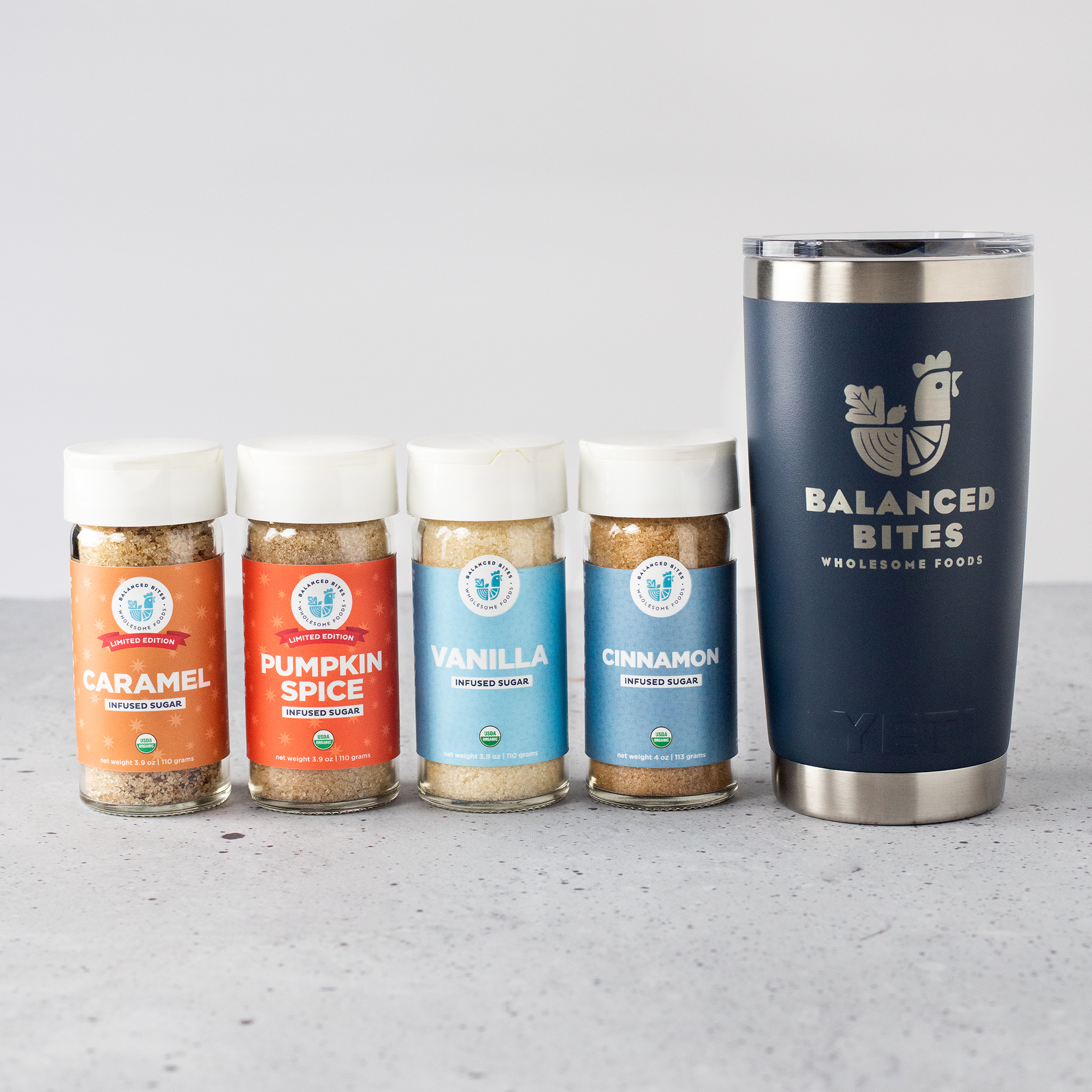
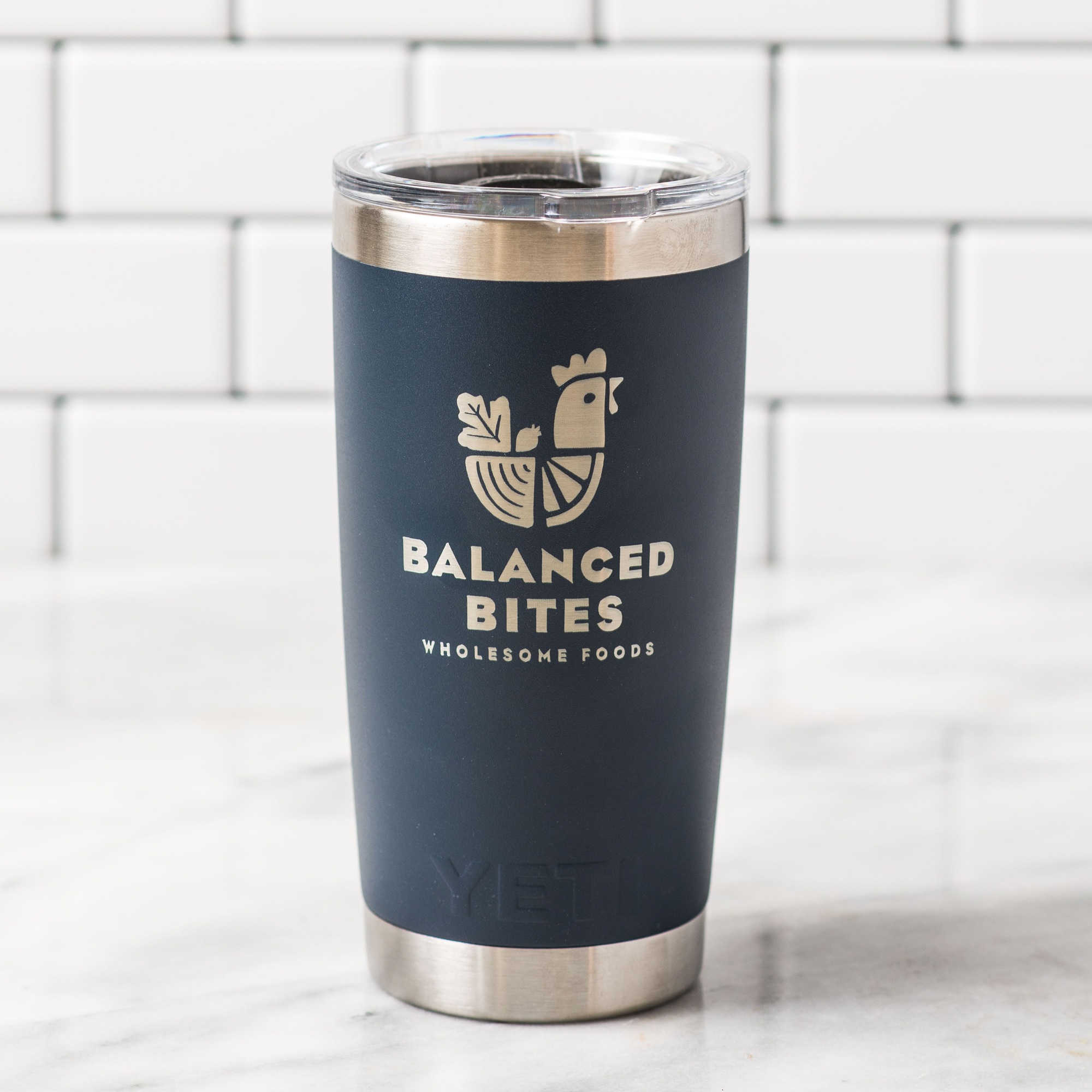
4-Pack Infused Sugars & Navy YETI Tumbler
Customer Testimonials
Balanced Bites meals have been a lifesaver for me. When I don't have the time, (or just don't feel like cooking!), I love knowing I can grab one (or three) from my freezer and have a delicious, nutritious and healthy meal in minutes!

My 9 year old has really good taste, and he tells me my food is never bland when I cook with one of my BB spices.

I love that I’m not sacrificing nutrition for convenience and the best part is, they’re fancier and tastier than if I attempted the dishes on my own!

With 4 kids, being able to eat good food we all actually like in 5 minutes from the freezer has saved us so much time and money from eating out, let alone the quality of nutrient-dense real food. And grab the garlic blends while you’re here, my children are now spoiled from any others - the toasted flakes are soooo good!

Once I started using Balanced Bites spices, I couldn't turn back. I crave SAVORY in my sleep! And the meals taste homemade - like they're made with love! Simple, straightforward, grounding real food - and so many dishes I don't have time to make but love to eat!

As a busy mom of two young ones, sometimes at the end of the day, the last thing I want to do is cook another meal. Luckily, I have Balanced Bites Meals ready to go in my freezer for these situations and everyone still gets a yummy, nutritious meal, that I didn't have to cook, or clean up after! Win-Win!

These spices make dinnertime so much easier, tastier, and honestly more fun to pull together. I love that I can find blends my young kids enjoy, and that are tasty for the whole family.

Meals for busy weeks (and new mom gifts!), Spices for dinner - basically EVERY night. We obsessively use trifecta, Italian, coffee BBQ, diner… pretty much all of them! I also love gifting them with a cookbook. The granola is a favorite snack, especially with our toddler daughter. She asks me for the magic ‘nola all the time (I have to ration or I won’t get any!) You truly can’t go wrong with any of the BB products!!

Meet the Chef
I’ve always loved cooking and have a highly discerning palate. As a kid, I grew up helping my family prepare home cooked meals. Later, as an athlete, I learned how the balance of protein, carbs, and fat fuels performance and contributes to good health. I created Balanced Bites to make it easier for you to improve your life with healthy, delicious food you can trust.

Chef, Holistic Nutrition Consultant,
NY Times Best-selling Author

Shop Diane’s Cookbook Collections/Specific Dietary Need
Meals and products by specific dietary needs

Keto Quick Start
Shop the book, spices that are used in the recipes, and our keto meal box.

Practical Paleo
Shop the book, spices that are used in the recipes, and our paleo meal box.

21-Day Sugar Detox
Shop the book, spices used in the recipes, & our sugar-free meal box.
Fresh Recipes From Our Kitchen
Original recipes feature our best-selling spice blends and make it easy to prepare tasty, healthy meals any night of the week.

Products Used:
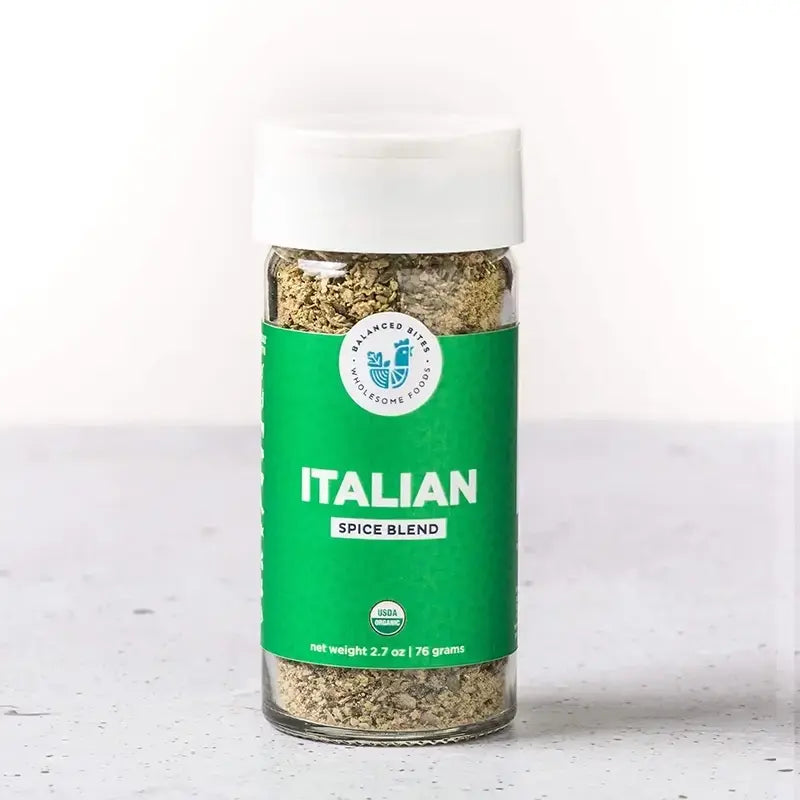
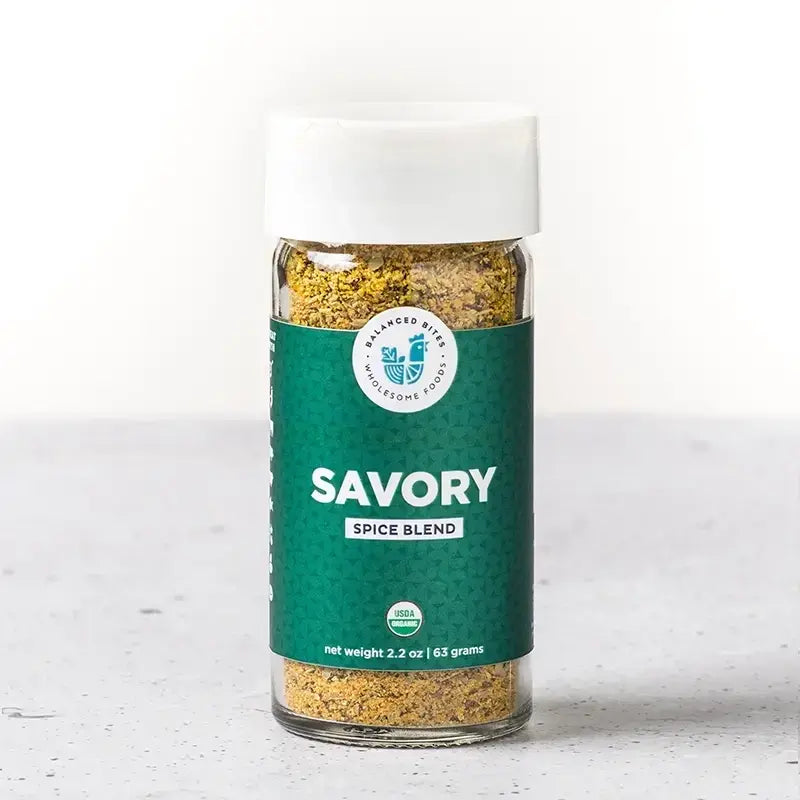

Products Used:
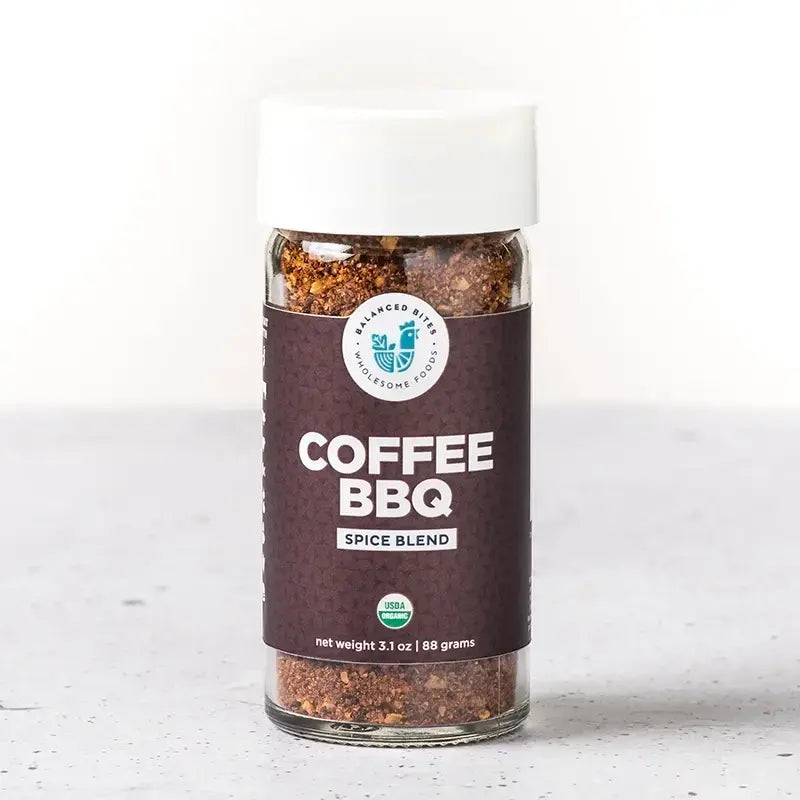
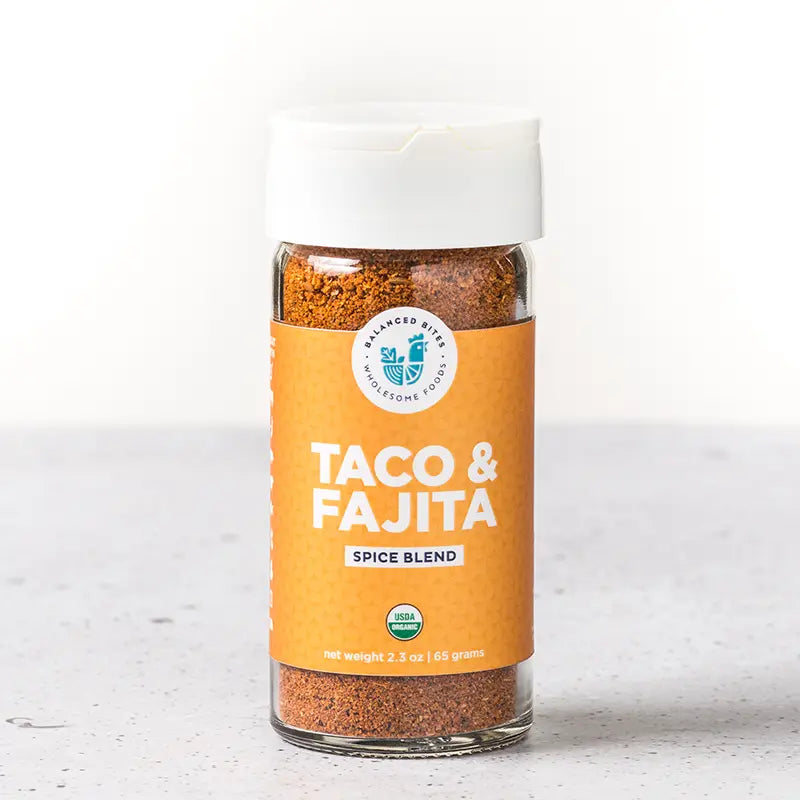
Products Used:
Fresh Inspiration on Instagram